
Syrian Children and the Issue of Education Panel
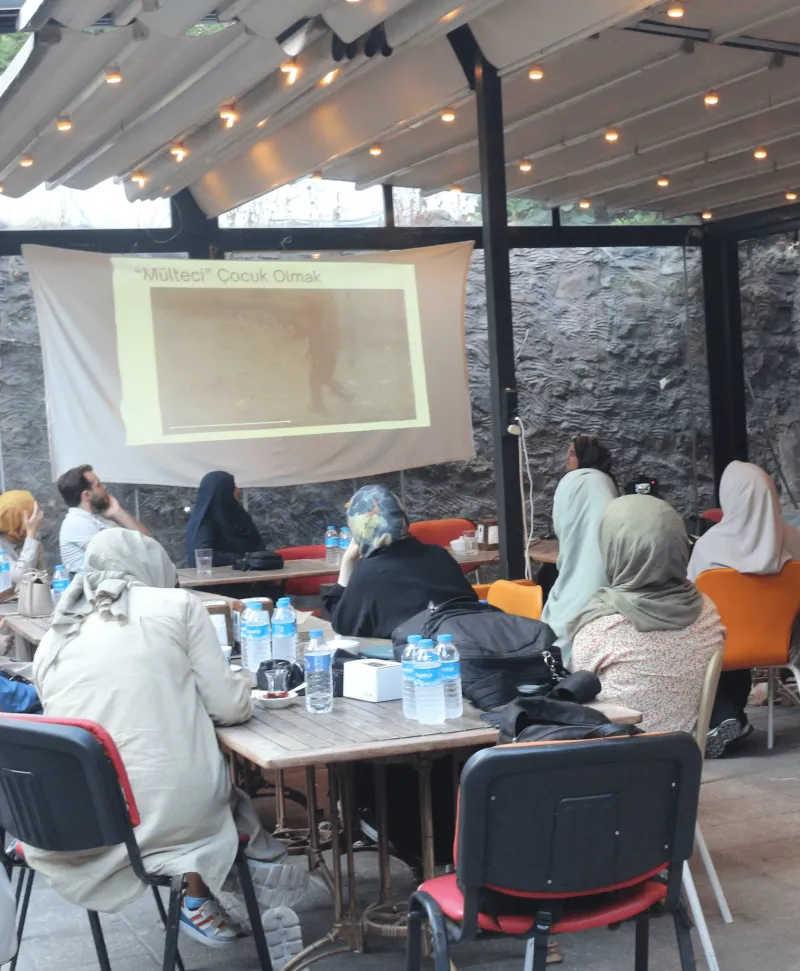
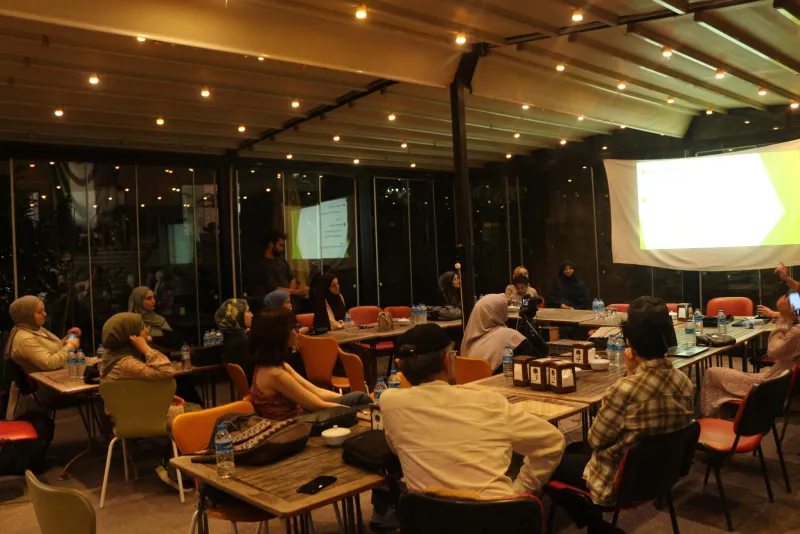
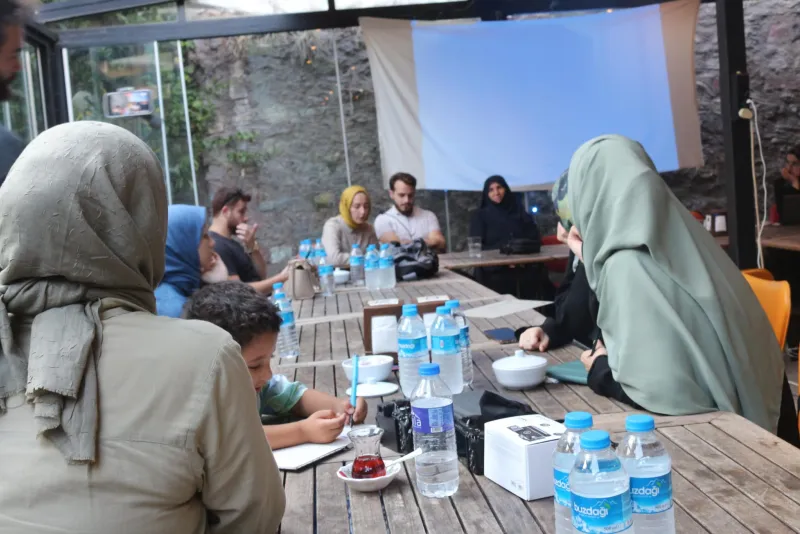
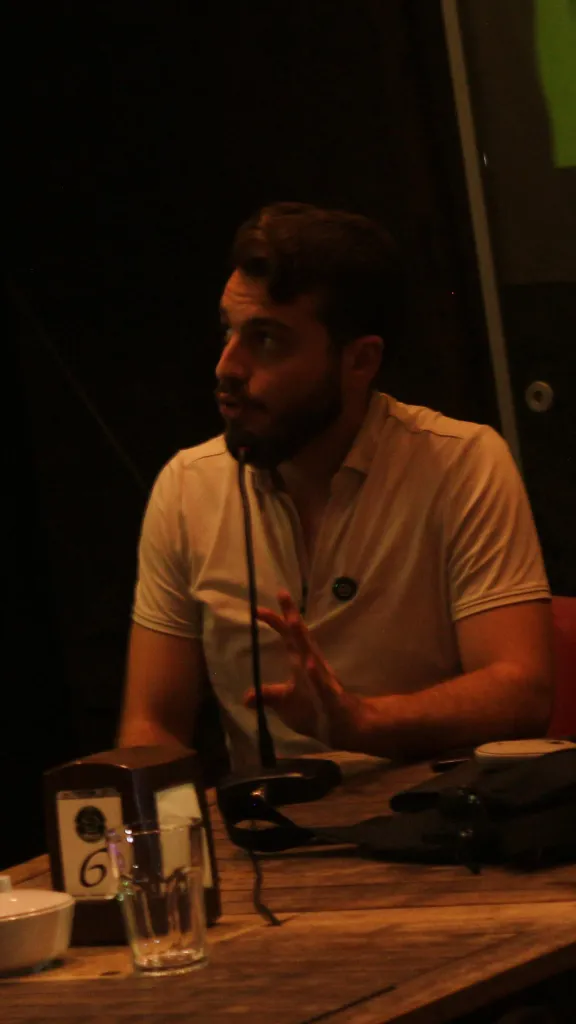
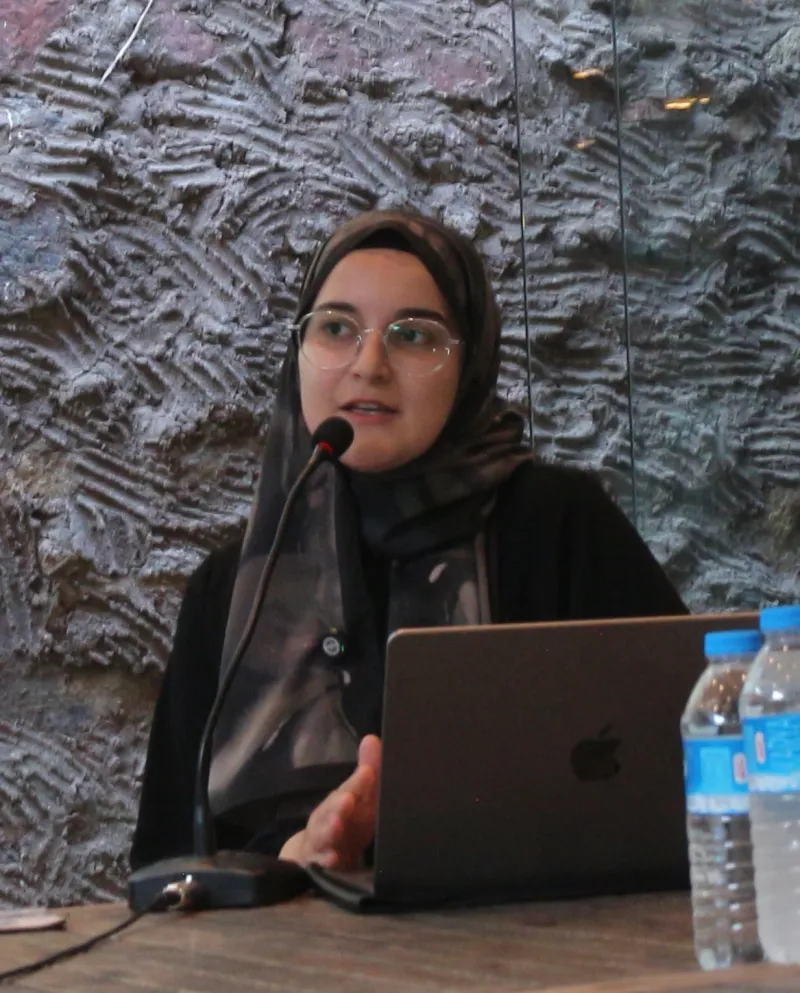
A panel was organized where various ideas were exchanged around the issue of education for Syrian children.
Panelists
Sude Kadyrova, Compulsory Education Levels.
Muhammed Nur Sabbagh, Higher Education.
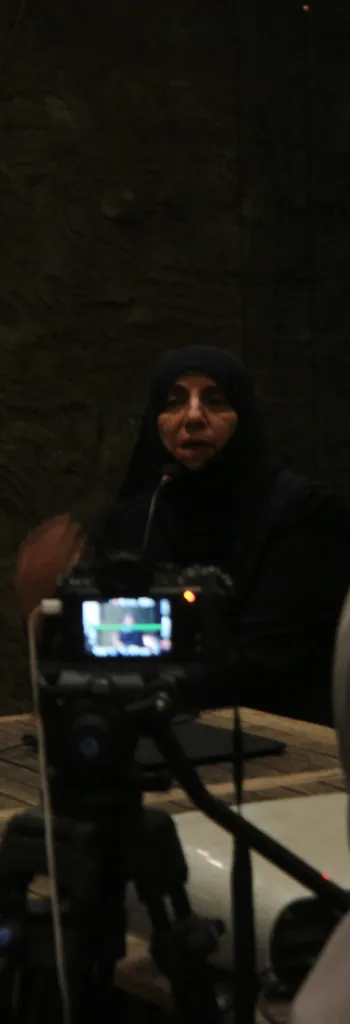
Hulud Saka, Difficulties Faced by Syrian Children in Education and Suggestions.
Il Popolo D'Italia
“The first overt signs of an as yet unprogrammed racism were evident at the beginning of the fascist era. Already during d’Annunzio’s reign in Fiume in 1919/20, the Slavs were expelled from the city and stigmatized. They shared the same fate as the Slavs in Trieste, which had previously been part of the Habsburg empire, and were discriminated against and persecuted. The tension between the Italians and the Slavs escalated in Trieste, and the underlying reason for this was that the fascist stories of world war martyrdom flourished on the banks of the Isonzo [a region of much conflict between the Italian and Austro-Hungarian armies in World War I].
Simultaneously with the war in Libya, the newspaper Il Popolo d’Italia published a derogatory article describing the Slovenians and Croats of the Slovenian Alps region as racially inferior. Bonifica etnicada (ethnic correction), as it was called by the fascists, was a campaign of ethnic cleansing and assimilation, as well as the transfer of land to Italian immigrants. Bonifica etnica aimed to drain the “Slavic swamp” and was linguistically inspired by bonifica integrale (wet work to reclaim agricultural land). Historian Elio Apih’s assessment of this campaign is clear enough to leave no room for hesitation: ‘Even if the fascist violence did not go beyond this – and in fact it was exceeded quite frequently – it was in any case continuing a project of ‘political genocide’ in the true sense, that is, a project of forced Italianization.’
These words of Stefan Plaggenborg are not a quote from the panel. And they do not justify what we have experienced. At least not enough. Moreover – and especially – what one experiences is enough to understand what has happened. But this quote reminds us that the Anna Karenina thesis is actually a false thesis. Not all bad families – their evil – are bad in a different way. On the contrary, all goodness is good in a different way.
If this panel can be conducive to the concentration of a will, and then to the declaration of a will, this will be through its first identification of evil, which is a cliché, and then its originality, which is will be successful in making his approach clear.
Thanks, But You're Late
Hulud Saka said, “Thank you very much for organizing this meeting, but you are late.” She did not say it with irony or in a complaining tone. And I thought, as a listener, is there anything that a person is not late for? The argument that makes this fait accompli true for everything is that we live in the world. If this panel had been organized in 2013, we would definitely have another topic where we were late. Because then, being at the end of another issue would have prevailed over being at the beginning of another issue. Rowing against the current is partly a matter of choosing between which end we are subject to and which beginning we are facing.
We are late. This is the case. We are very late. We are in a hurry, and at the same time, we need to slow down.
Goodness of Mind
“A man must have a good memory to keep his promises. A man must have a strong imagination to show mercy. Morality is thus closely tied to the goodness of mind.”
These words of Nietzsche do not apply to us. But they show why they are bad people. First, man does not have a good memory. Second, we do not have mercy through our imagination, and again, if they plan to achieve mercy in this way, they will not have mercy because they do not have imagination.
This is what this panel said.