
The March of the Free
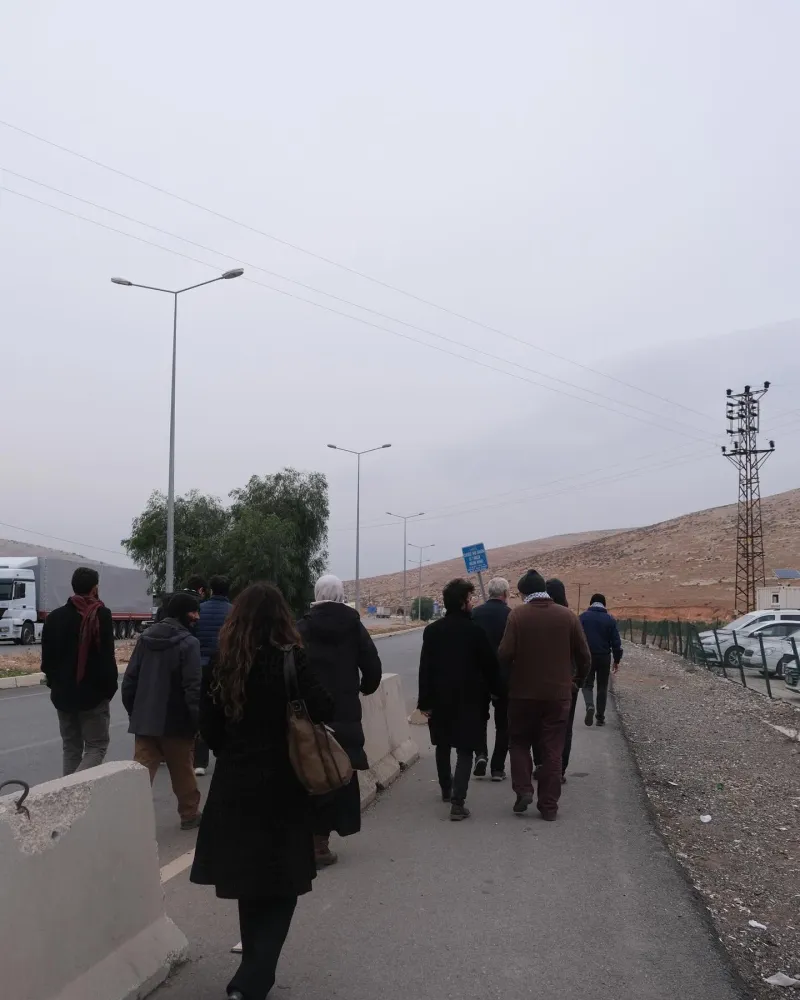
In October 2023, a march was initiated. We called it The March of the Free.
During those days, a friend threw themselves at the border because they were experiencing madness. Then, another friend invited them, and all of us, to a more stable form of madness.
The march was free because politics was as it always had been, and because civil society firmly held the people’s movement that was waiting for its will to be expressed. Then, when you as an individual decided to respond, you were compelled to respond only with the tools of the system. Even if this response could be considered “better than nothing,” and indeed it was, these actions sometimes were not better than nothing because they quickly materialized your will, thereby leading to your quenching.
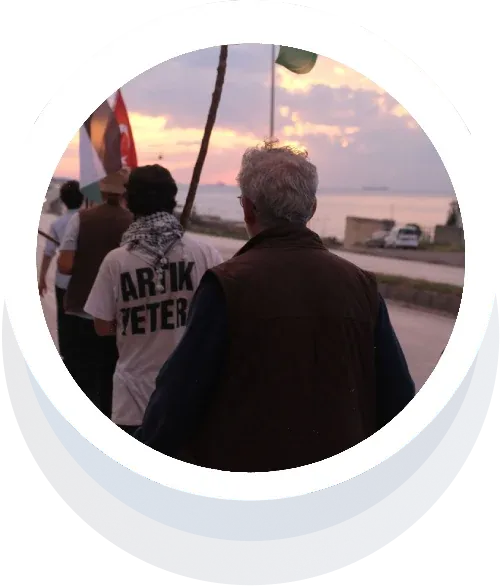
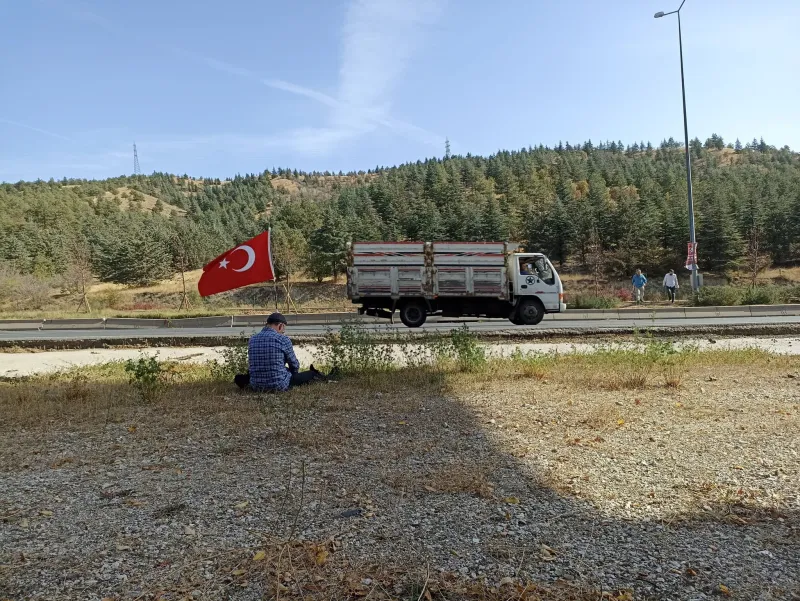
Walking had various meanings among our friends. While some said, “Someone is calling to prayer, and I am responding,” others said, “You just need to walk, not talk at all.” Some said, “I will walk towards there, let’s see what happens,” and some remembered again every morning that walking could become a great public movement if there were just a few more people, no matter how much they had given up on this belief the night before.
Even though everyone associated a different meaning with walking, in the end, everyone had to think about the action because they were doing it, and this made the madness resolute. In other words, we were not losing our consciousness. Therefore, the outcome of the action became the action itself. That is, we were neither pleased with ourselves nor good, and while walking, we could carry on this state.
Talks about what would come after were postponed, avoided. In fact, our friends stayed in Cilvegözü for a few days. This time, the walk turned into waiting. That is, the uncertainty previously about the goal became about what was expected later. But none of us questioned this waiting. We all found this waiting reasonable during times when we didn’t feel guilty for returning. So even, “Why not wait, why return?” was asked. No one blamed anyone, but perhaps because everyone blamed themselves, everything or everyone stood still as a judge.
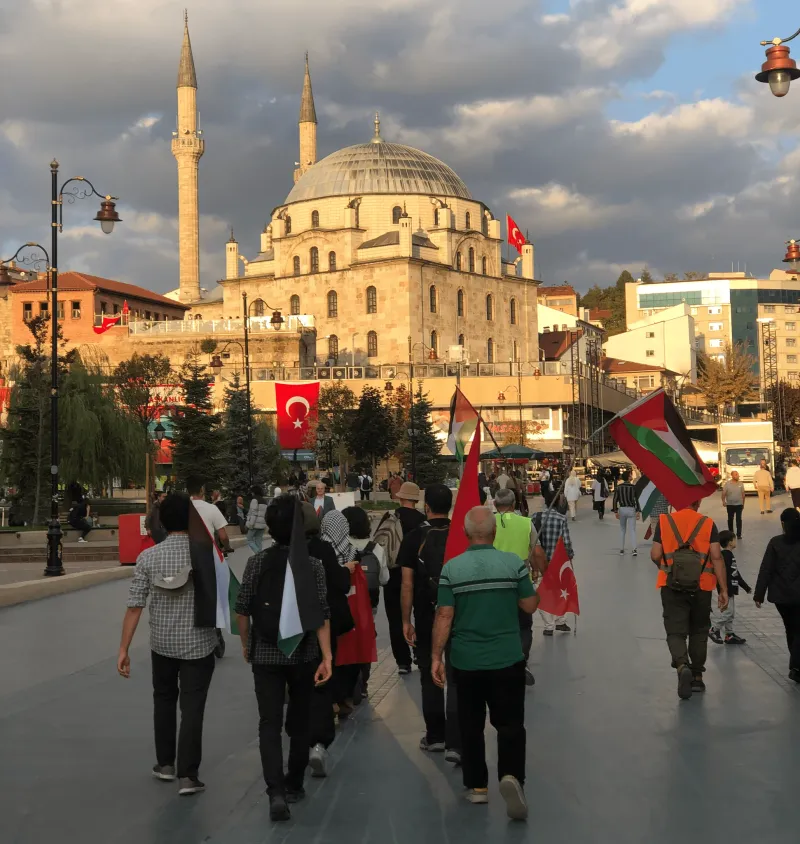
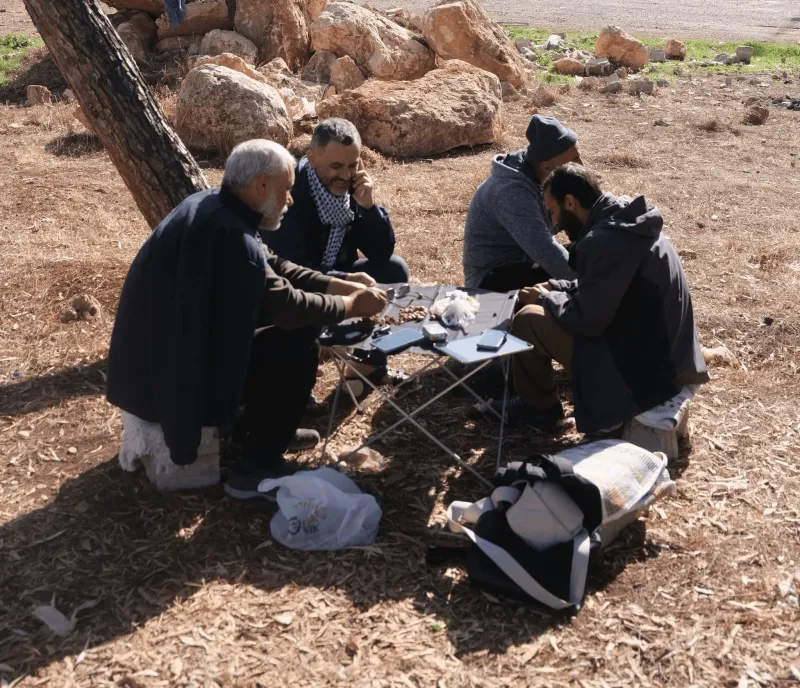
Then, upon returning, this vivid consciousness, this residue of the march, was too much for the ongoing life. That’s why we always asked, “What are we going to do?” and kept looking into each other’s faces for that reason. Being a sufficient haven for that vivid consciousness could not last, but a sediment remained from it. Now, we still ask what we are going to do, still getting lost in each other’s faces. This question, this sediment, is not entirely ours and will only become ours with our ability to respond to it, with our power to act, and with our will to go back to the beginning and ask again, in short, with our sincerity.
For example, the Trench was born during those times. Or it was in those days that we decided Aliya should not be an association, community, or foundation. Because it had become entirely clear in those days that to be these things, one must not present any will other than the will of political power.